Myths and Misconceptions About Stainless Steel
The thermal behaviour of stainless steel outdoors is quite different from what you might expect. Rather than storing heat, stainless steel is an efficient conductor, allowing it to transfer heat quickly and maintain a more balanced thermal performance. Stainless steel is also hygienic, durable, fully recyclable, and, unlike many other materials, requires very little maintenance.
#1
Is stainless steel suitable for outdoor use because of its thermal behaviour?
Yes. Stainless steel is an excellent thermal conductor rather than a heat accumulator. This means it quickly adapts to the ambient temperature instead of retaining excessive heat, helping to avoid surfaces that become uncomfortably hot or cold. Its balanced thermal behaviour makes it an ideal material for outdoor applications.
#2
Does stainless steel withstand the passage of time and exposure to the elements?
Absolutely. Stainless steel is highly resistant to corrosion, even in coastal or humid environments. It does not rust or deteriorate easily, ensuring exceptional durability while requiring only minimal maintenance.
#3
Does stainless steel urban furniture require a lot of maintenance?
No. An occasional clean with water and a mild soap is enough to preserve its original appearance. Its smooth surface prevents dirt from accumulating, making it a practical, low-maintenance material.
#4
Is stainless steel a sustainable material?
No. An occasional clean with water and mild soap is all that is needed to preserve its original appearance. Its smooth surface prevents dirt from building up, making stainless steel a practical, low-maintenance choice.
#5
Is stainless steel hygienic and safe for outdoor use?
Absolutely. Its non-porous surface prevents the growth of bacteria, mould and fungi. In addition, it does not release toxic compounds or degrade when exposed to sun or rain, making it a hygienic and safe choice for any outdoor environment.
#6
How does exposure to sunlight affect stainless steel?
It is not affected negatively. Stainless steel does not discolour, crack or lose its properties when exposed to sunlight, making it an excellent choice for areas that receive year-round sun.
#7
Does stainless steel get too hot in the sun?
Less than you might expect. As an efficient conductor of heat, stainless steel warms up in the sun but also dissipates heat quickly. This prevents prolonged heat build-up that could become uncomfortable.
#8
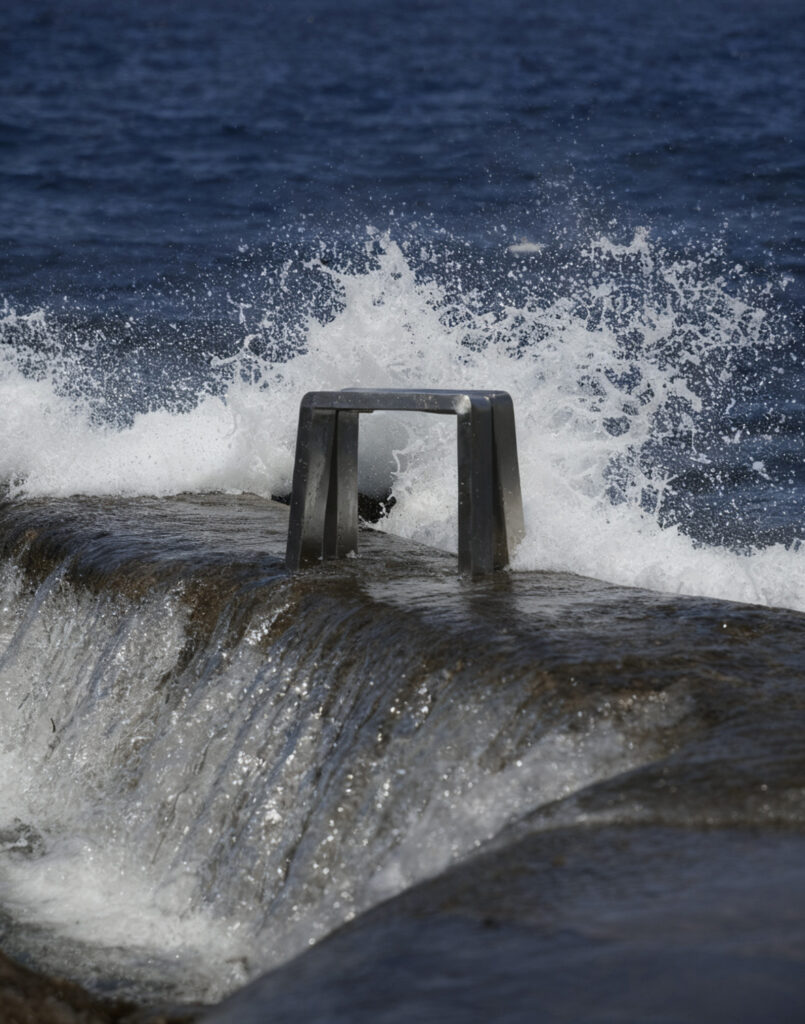
Can stainless steel be used near the sea or in coastal environments?
Yes, especially marine-grade stainless steel (AISI 316). This specific alloy offers superior resistance to corrosion caused by salt-laden environments, making it ideal for coastal areas and swimming pools.
#9
How does stainless steel compare to other materials in terms of durability?
By a considerable margin. Unlike wood or aluminium, stainless steel does not warp, rust or deteriorate over time, making it a long-lasting investment.
#10
Is stainless steel suitable for high-traffic environments such as hospitality venues or public spaces?
Absolutely. Its structural strength, ease of cleaning and exceptional durability make stainless steel an ideal choice for demanding environments with heavy footfall and continuous use.
#11
Can stainless steel be combined with other materials such as wood, fabric or stone?
Absolutely. Its clean, understated aesthetic allows it to pair seamlessly with almost any material, adding contrast and a contemporary touch without overwhelming the overall design.
#12
Does stainless steel have a negative environmental impact during its service life?
No. It does not release toxic substances or cause pollution. Its exceptional durability also reduces the need for frequent replacements, helping to lower resource consumption over the long term.
#13
How does the appearance of stainless steel change over time?
Very little. With minimal care, it retains its original appearance for decades. Even if minor surface staining does occur, it can be easily restored through specialist cleaning or polishing.
#14
Is stainless steel a more expensive option than other materials?
The initial investment may be higher, but it more than pays for itself. Its durability, low maintenance requirements and long service life make it a more cost-effective solution over the medium and long term.
News
Innovation et avenir
DS House
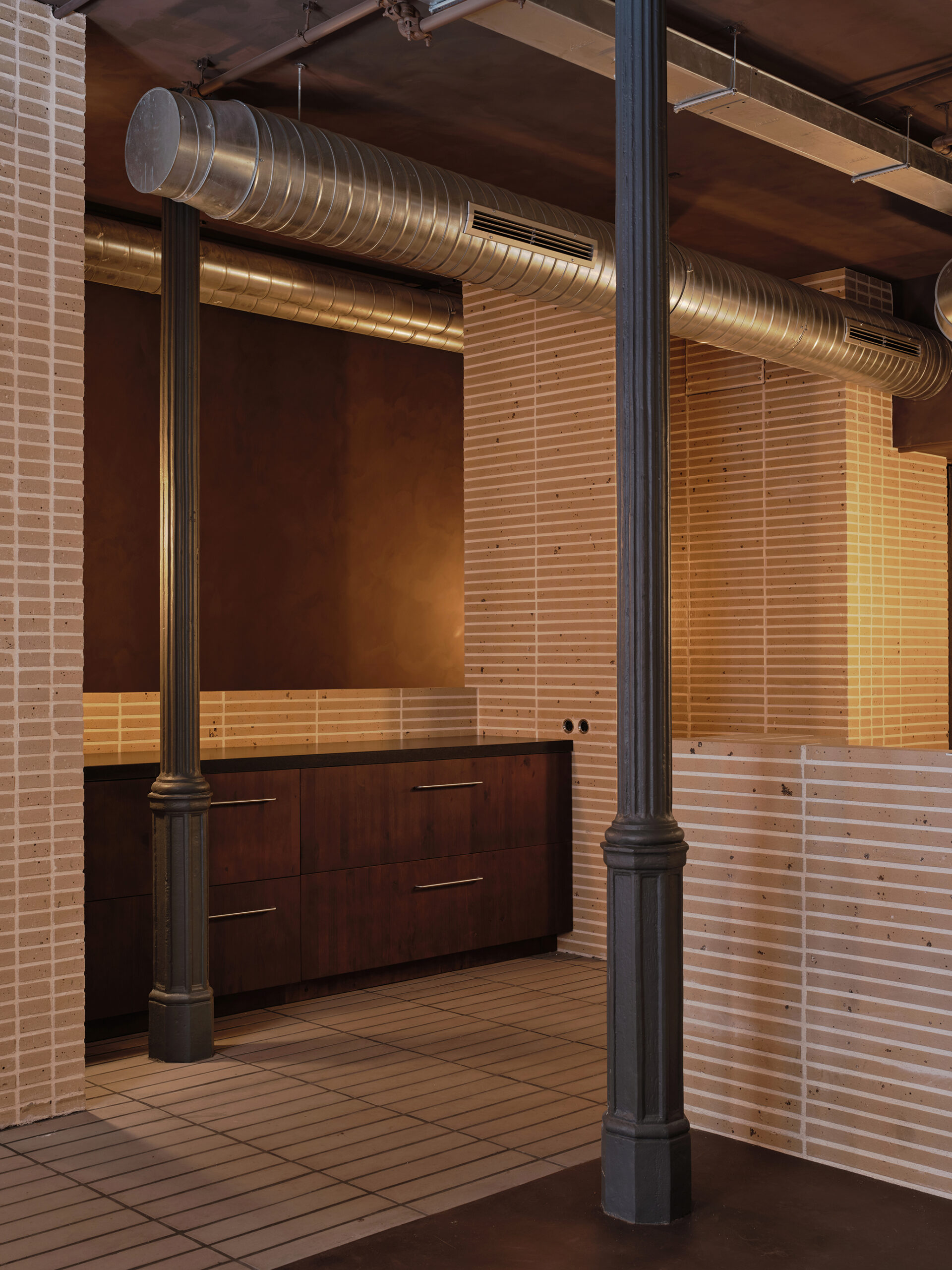
Bistrot TonTon, estudio Diir
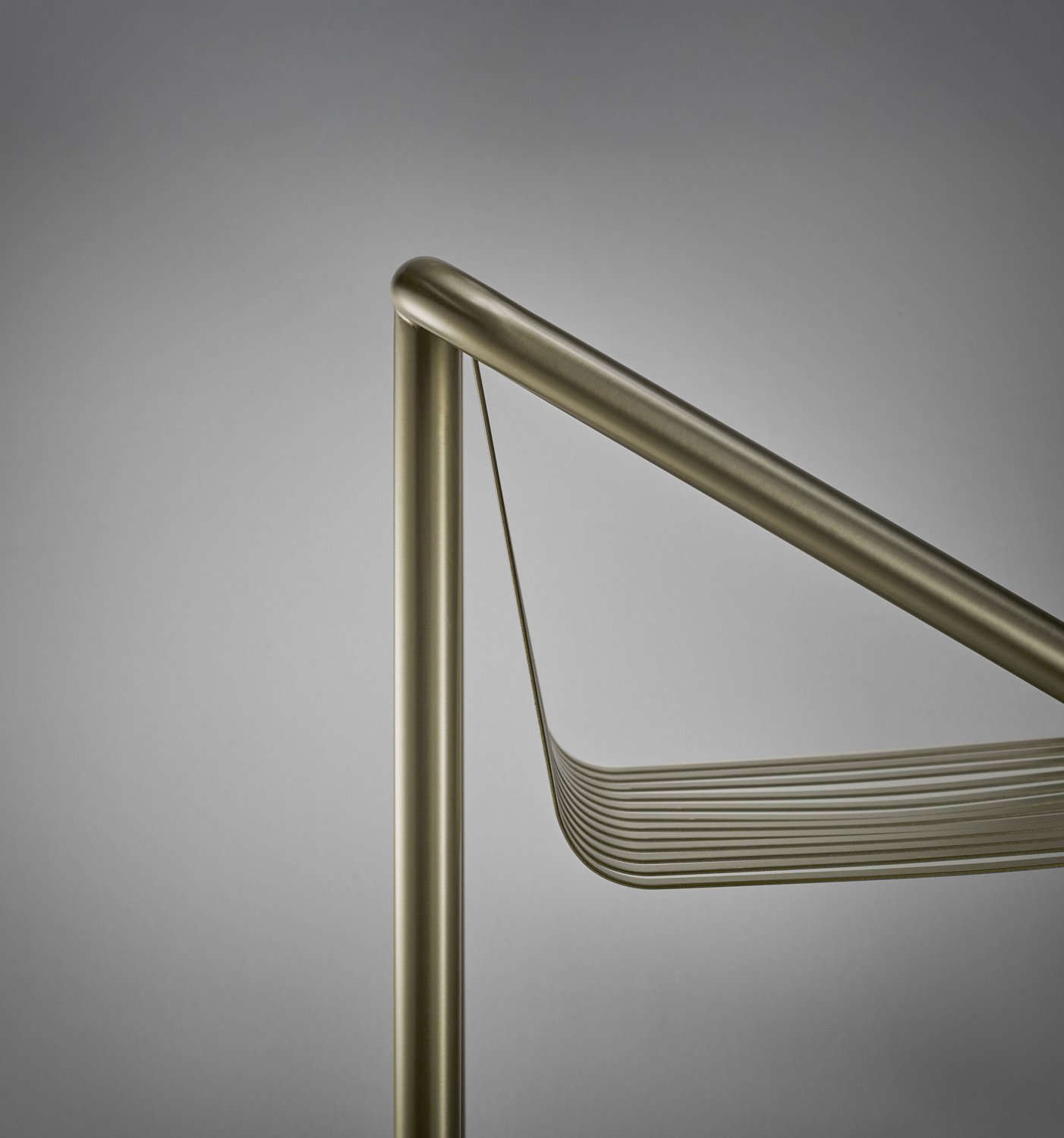
Urban Furniture Finishes
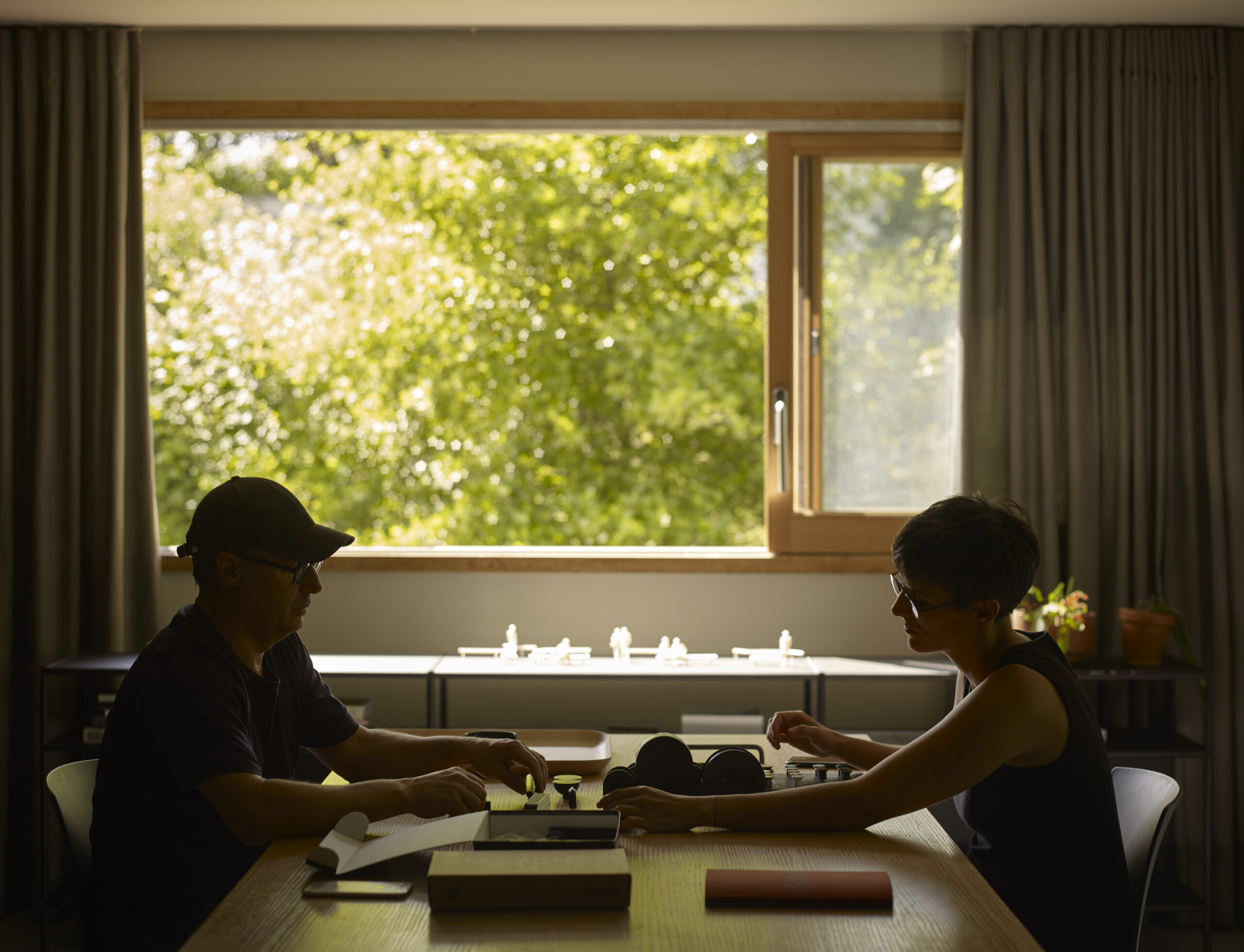
Interview with Jean Louis Iratzoki
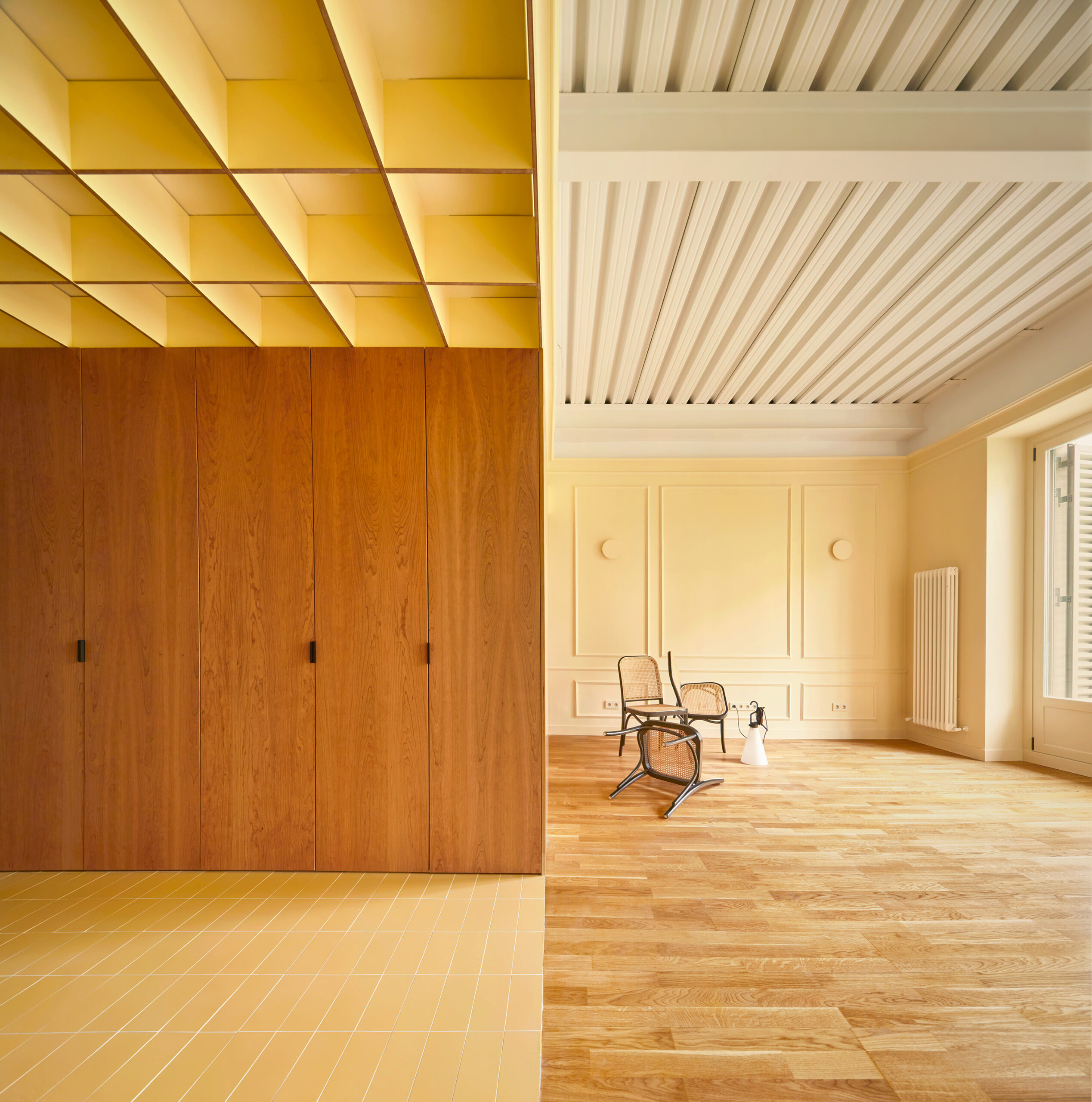
Apartment in Chamberí, by Gonzalo del Val
BM32 House, Estudio Reciente
Margarit, Santa Arquitectura + La Blanca
Ávila House, La Blanca + Santa Arquitectura
Flix house, Gon Architects
Maudes House, Estudio Diir
Aroa Collection