Interview with Jean Louis Iratzoki

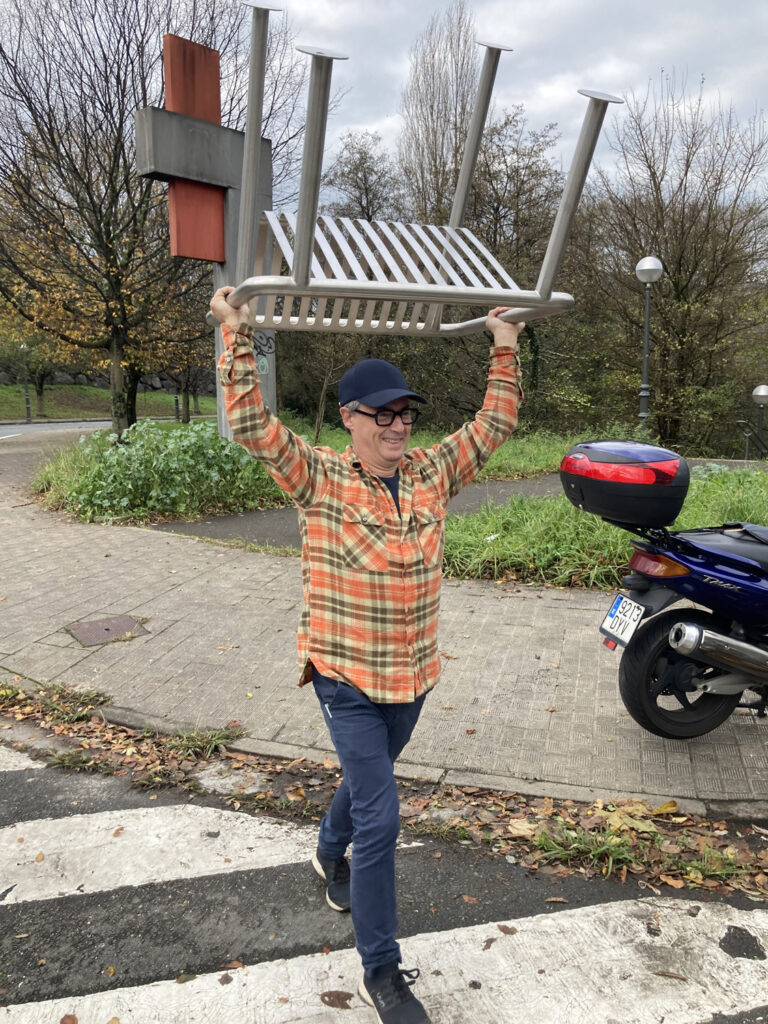
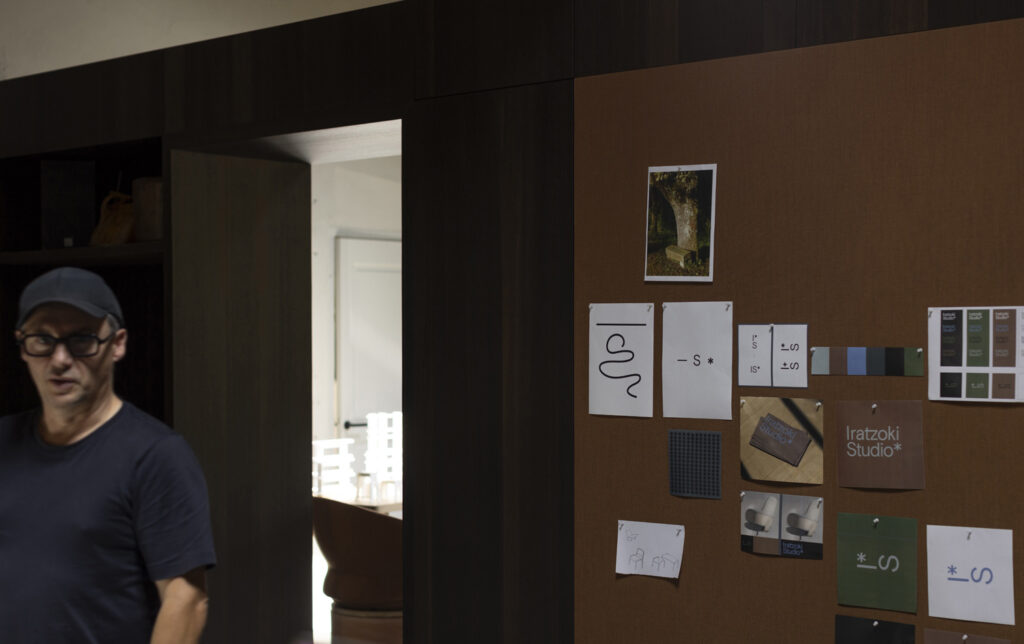
We spoke with Jean Louis Iratzoki to hear first-hand about the work behind the launch of our new urban furniture collection. Together, we have developed five new collections that share stainless steel as their core material, with products designed for both public and private spaces. In this interview, he introduces us to this new chapter while reflecting on our long-standing creative collaboration.

What makes the collaboration between Didheya and Studio Iratzoki special for you?

For us, what makes this collaboration particularly meaningful is that it goes far beyond simply creating objects. Above all, it is a close partnership with the brand, built around its values and its vision for the future.

This isn’t the first time we’ve worked together, is it?

No. Our first collaboration began many years ago—several decades, in fact. We worked together on the development of a bathroom accessories collection, naturally in stainless steel. A few years ago, we collaborated again on the design of several collections for the architectural hardware range, including sliding door pulls and cabinet knobs. Now, after several years of development, we are beginning this new chapter with the launch of five urban furniture collections.

How would you describe the brand’s journey?

Didheya began its journey in the 1990s, developing stainless steel architectural hardware and accessories for the home. Later, in response to changing market conditions and successive industry crises, the company successfully expanded into entirely new sectors, designing stainless steel products for public transport and industry, particularly for metro systems, trains, and buses.

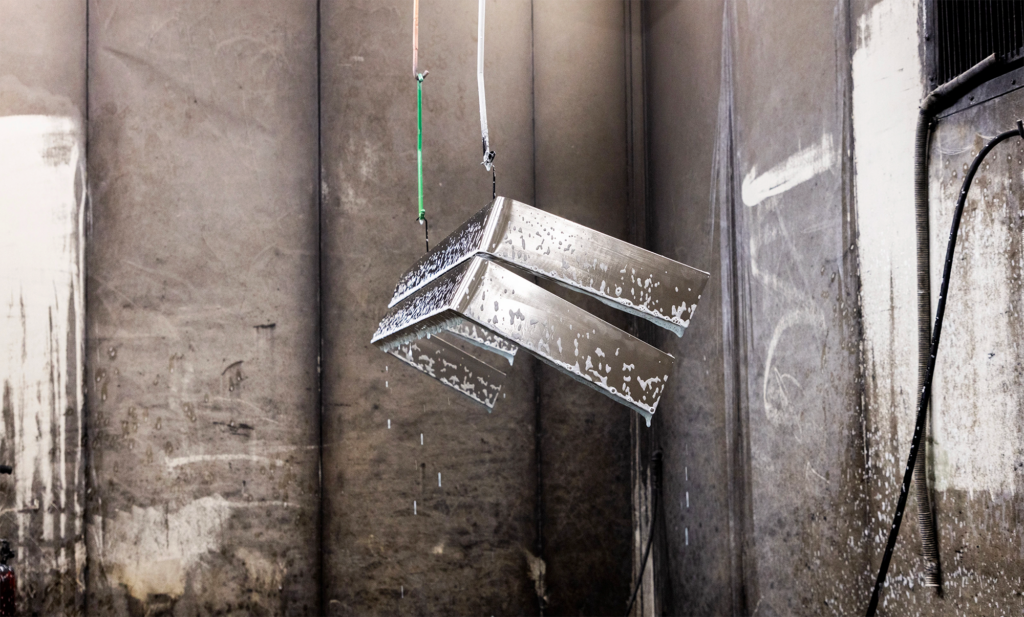
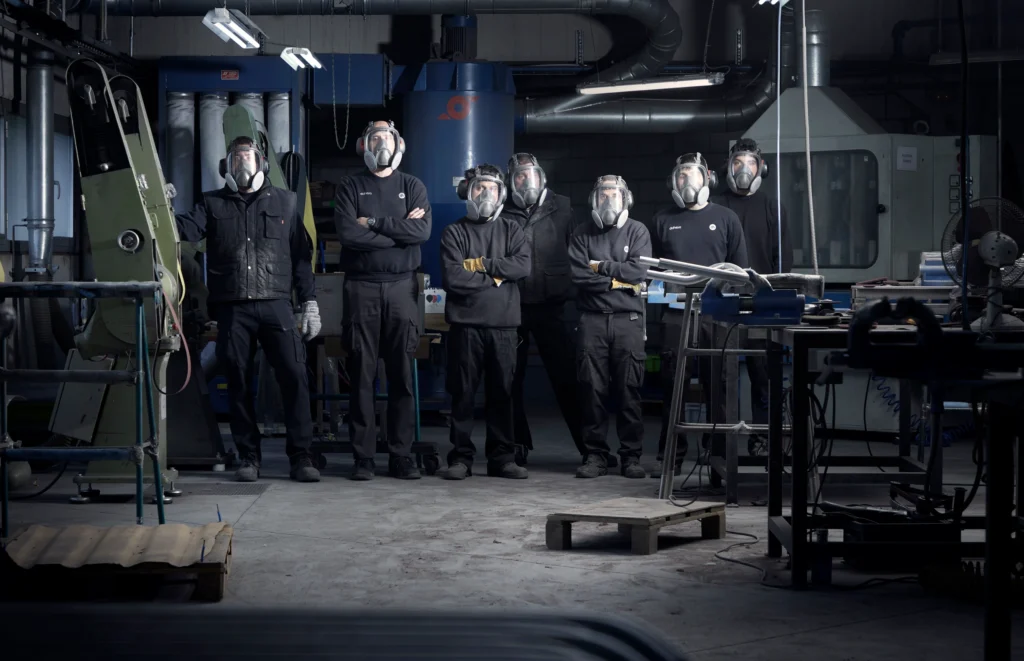
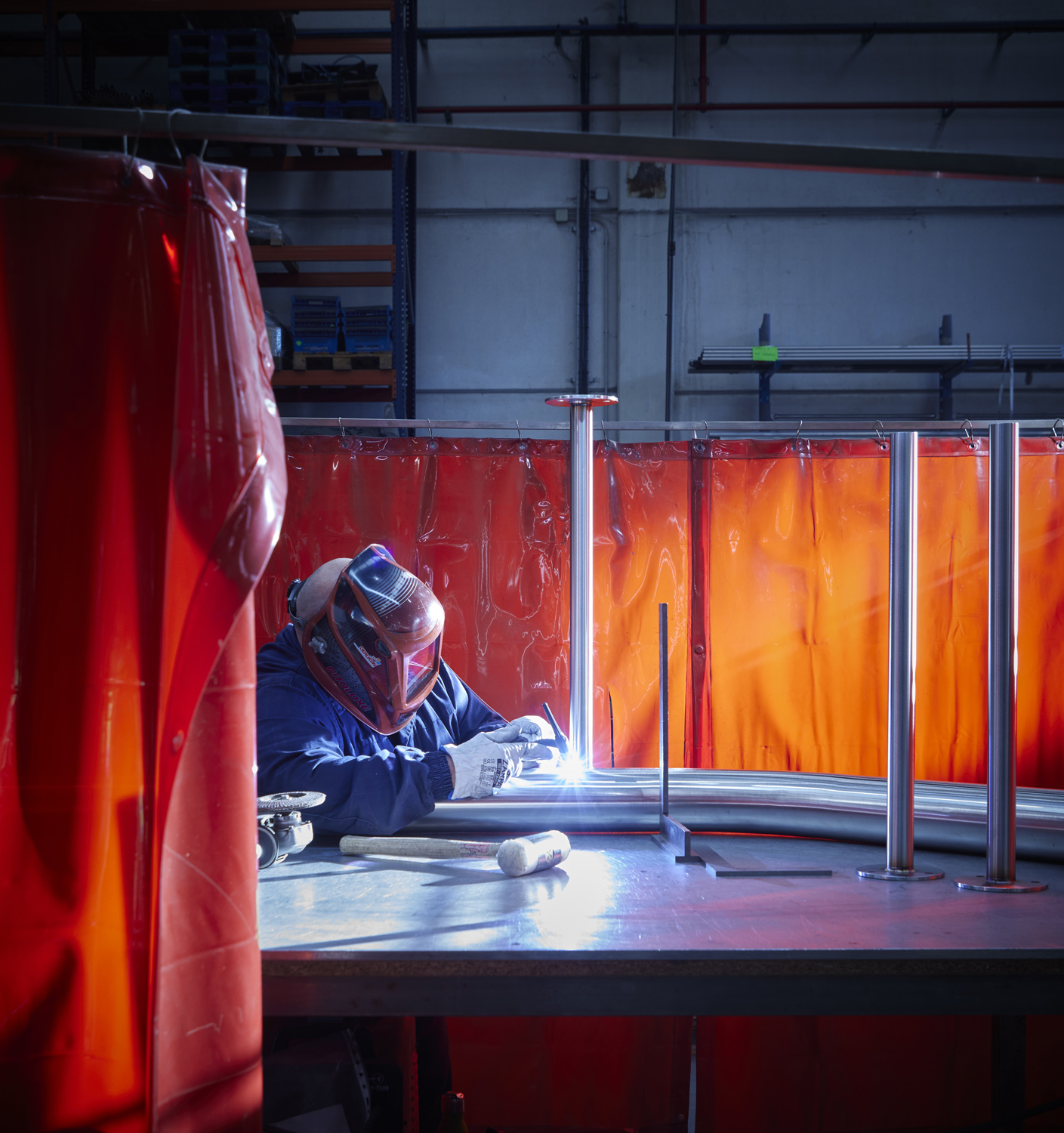
Over the years, the company has built genuine expertise in working with stainless steel across different applications and scales, mastering every stage of the process—from design and development to laser cutting, bending, machining, welding, and distribution.

Today, Didheya begins a new chapter, bringing that accumulated knowledge into a new field: stainless steel urban furniture.
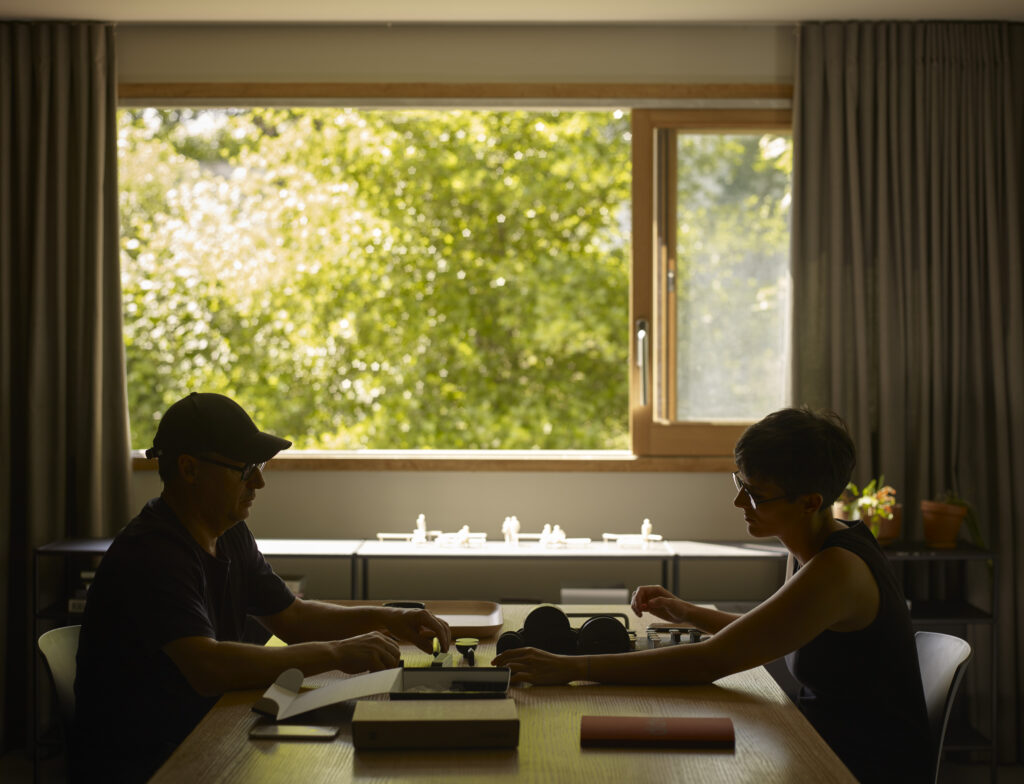
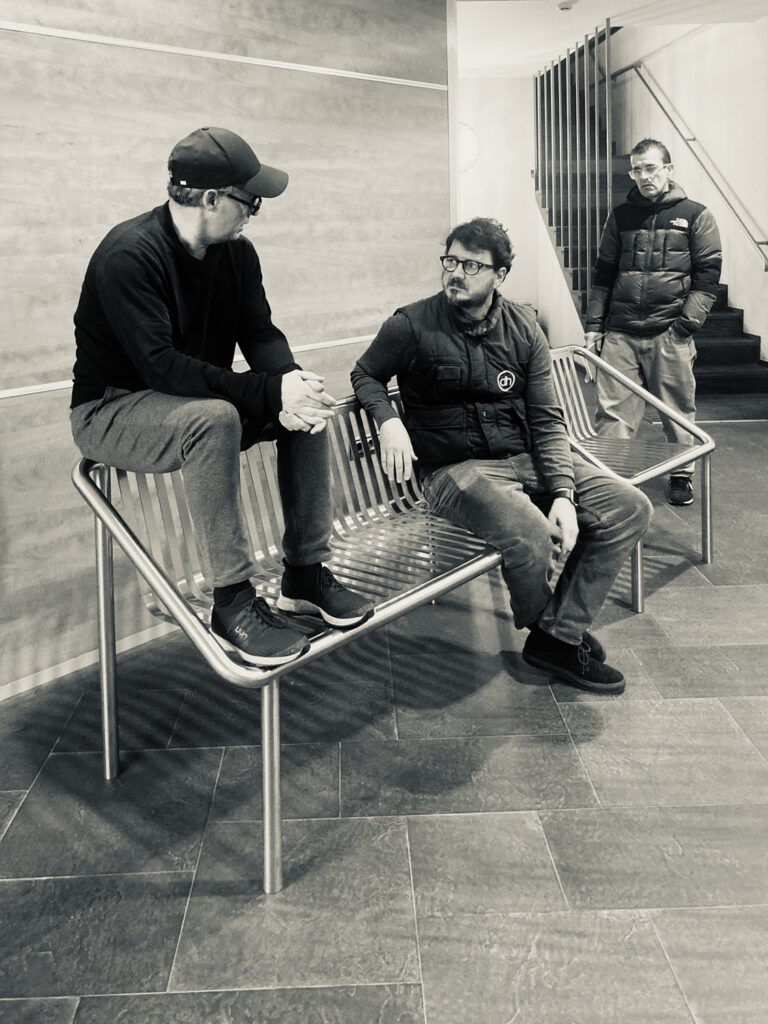
How did you approach your work on this project?

We approached the project through the material itself, designing products for both public and private spaces. Our aim was to create pieces that are durable, highly resistant, and easy to maintain. Some collections combine stainless steel with other materials such as solid wood, concrete, or stone, all produced by companies located near Didheya in the Basque Country.

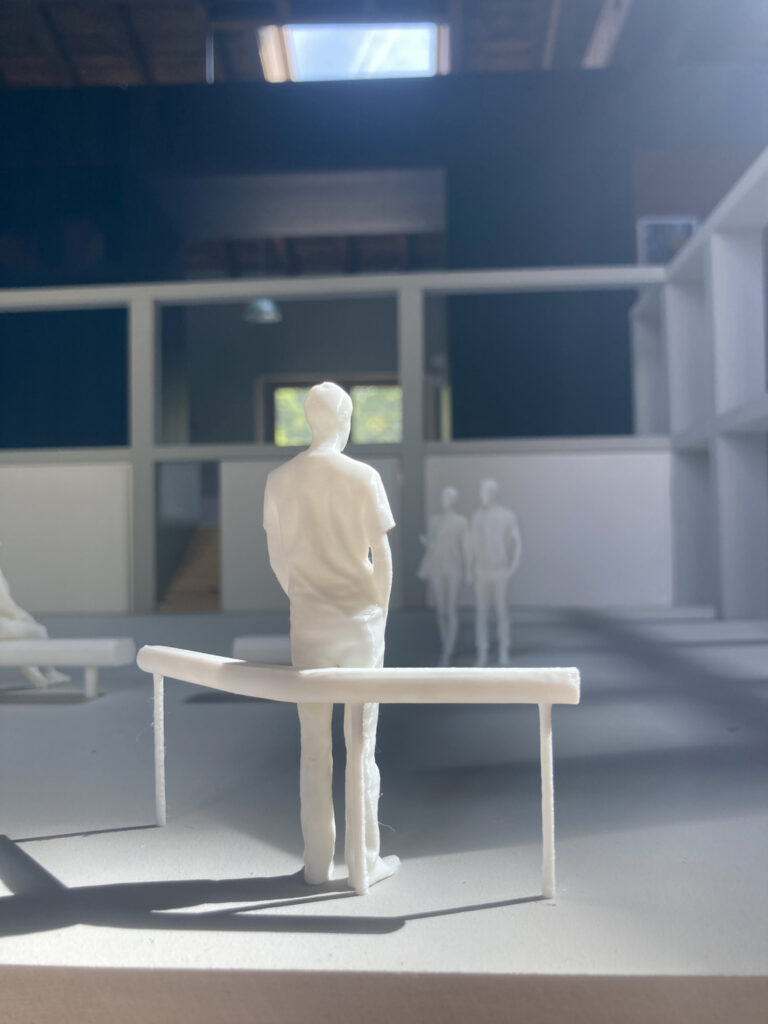
We also focused on the different activities that take place in public spaces, paying close attention not only to form, but also to function and the experience of the people who use them.

And what collections have you created?

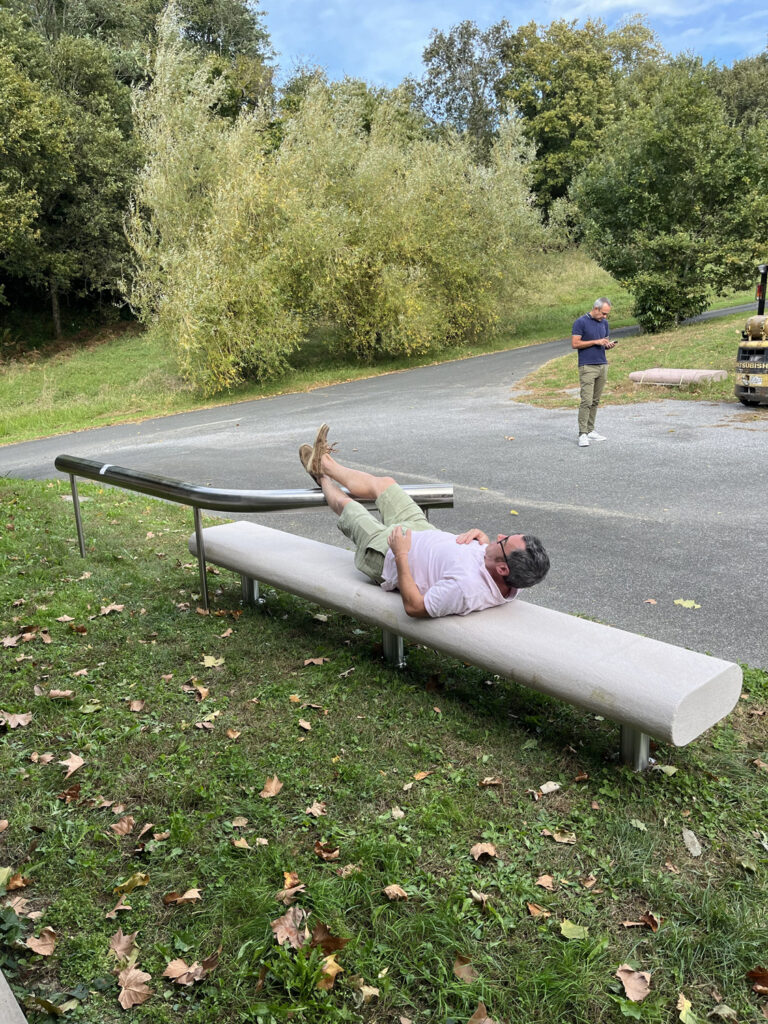
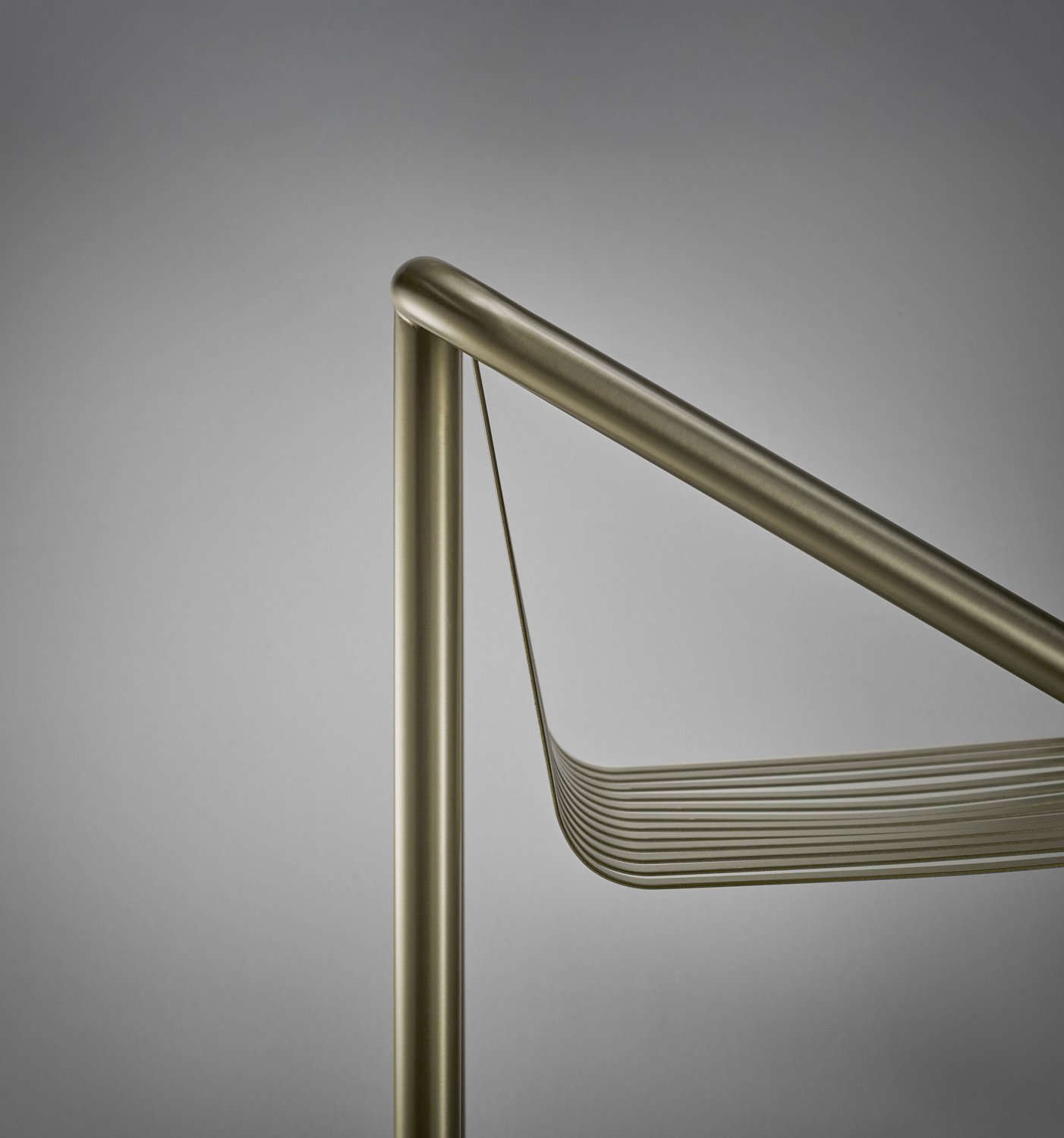
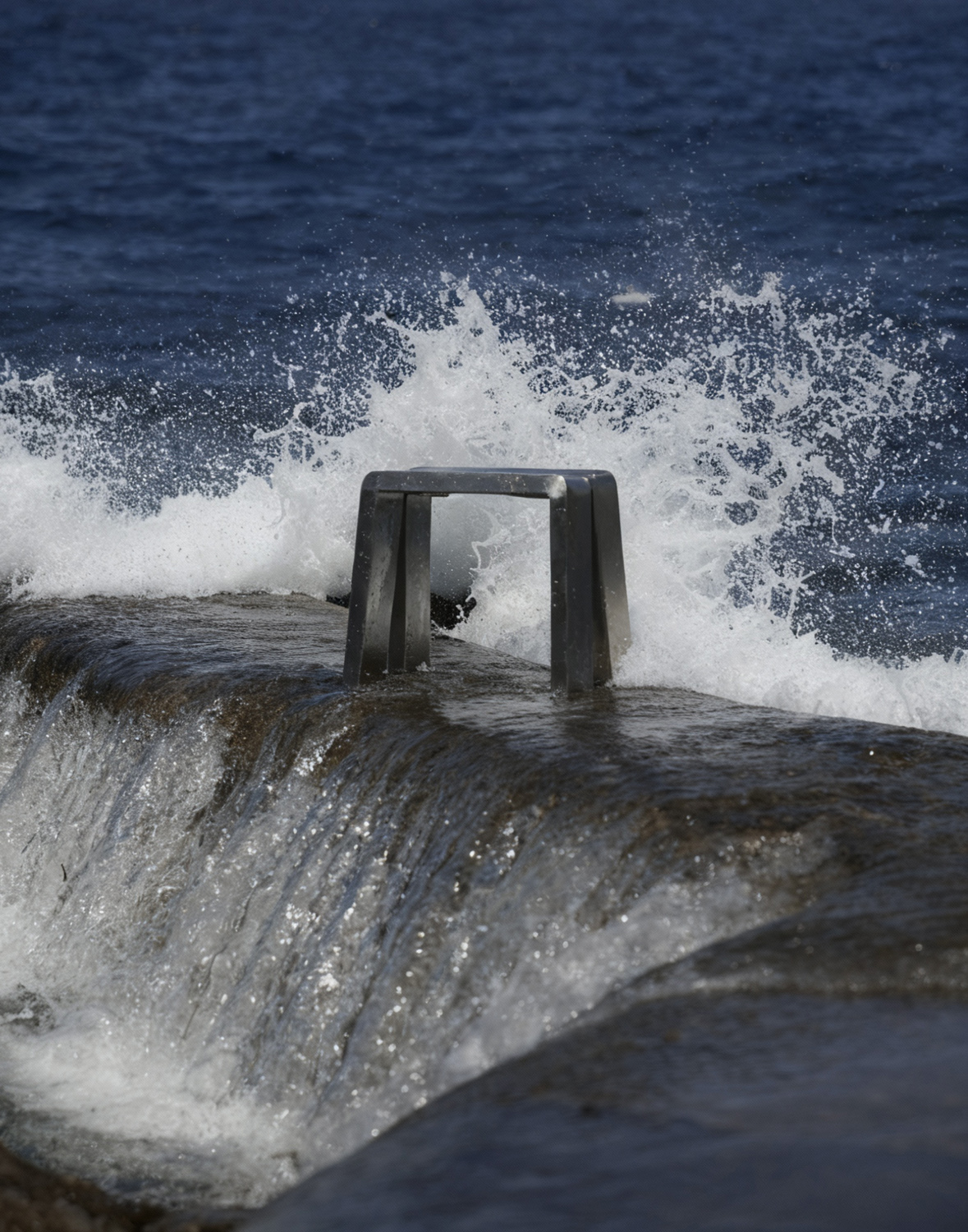
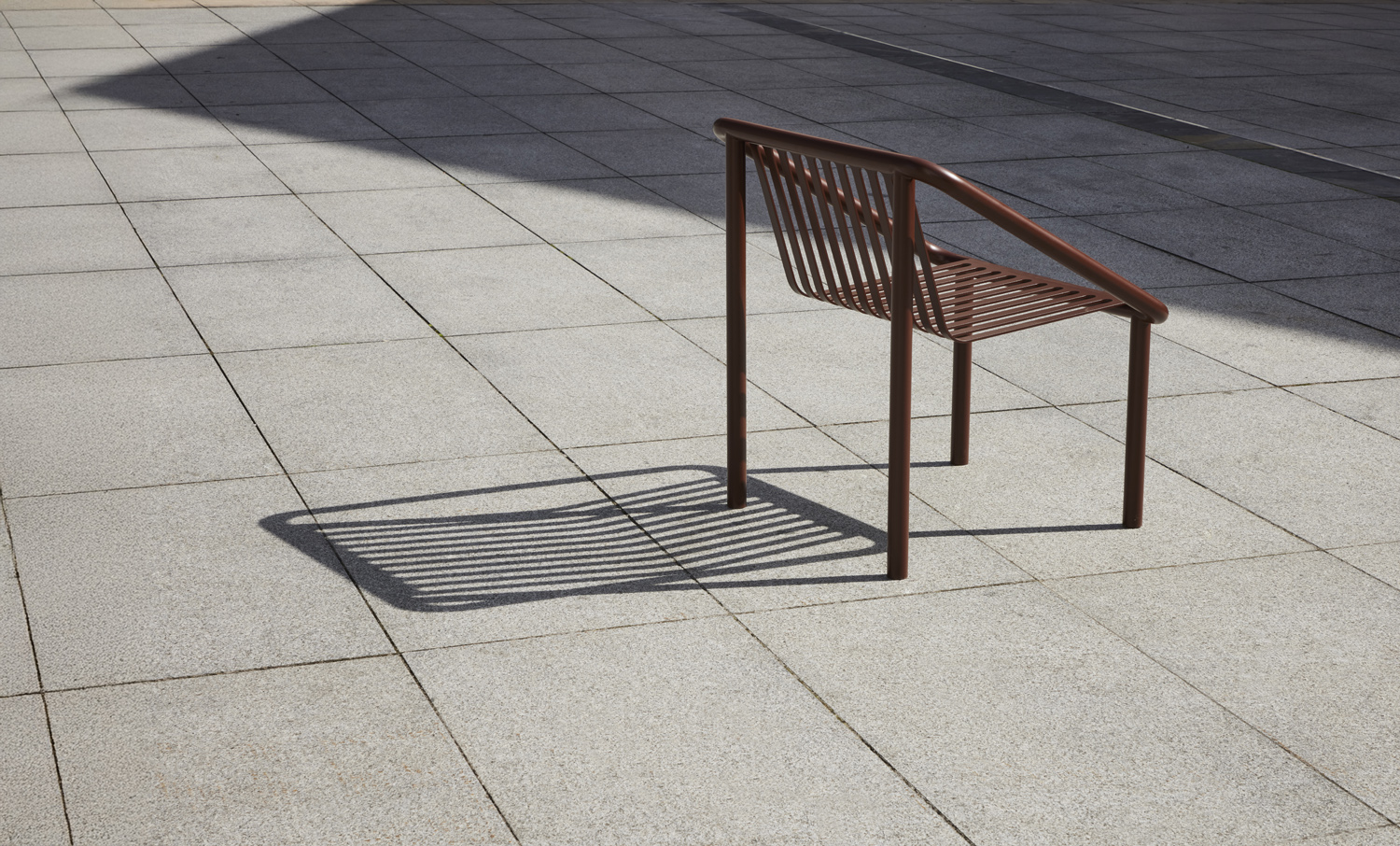
We have developed five collections, each with its own distinct character, yet all connected by stainless steel as a common thread. Hanka is a collection of benches made from cut and bent steel tubing, with clean lines and robust proportions that embody Didheya’s technical expertise. Hodi is a modular system that allows for straight or curved configurations, with or without backrests, and even the integration of small tables to multiply its possible uses. Aroa seeks to bring genuine comfort to public spaces, with pieces ranging from an individual armchair to a communal bench, all defined by their visual lightness. Ingude is a reinterpretation of the traditional bench, combining stainless steel with pine wood treated with linseed oil, designed to integrate equally well into both urban and natural environments. And Luze, the most versatile of the collections, combines stainless steel with concrete or locally sourced stone, allowing architects to organise and define spaces easily with just a few elements.

There is a thread that connects Didheya’s origins with this new project. How do you see it?

Yes, and it is something we believe is important to emphasise. Didheya was founded in the Basque Country in 1994, rooted in a strong metalworking tradition, and that heritage remains at the heart of everything we do. Working with nearby companies, locally sourced stone, or timber from the region is not simply a practical decision—it is a way of understanding design. Objects gain meaning when they are connected to the place where they are made and to the people who make them. In many ways, this new urban furniture collection is an opportunity to carry that heritage forward without ever losing sight of where we come from.

Deja una respuesta

Tu dirección de correo electrónico no será publicada. Los campos obligatorios están marcados con *

Puedes usar las siguientes etiquetas y atributos HTML: <a href="" title=""> <abbr title=""> <acronym title=""> <b> <blockquote cite=""> <cite> <code> <del datetime=""> <em> <i> <q cite=""> <s> <strike> <strong>